 (Image source: Gemini)
 You spend months planning a trip, only to end up standing in a massive crowd, viewing a monument through the screen of the person in front of you. It's frustrating, right? As we move through 2026, the way we think about "bucket list" travel has shifted. It's no longer just about checking a box or getting the perfect shot for your feed. You're likely looking for something deeper now. You want experiences that don't just fill a photo album but actually change the way you see the world. This is the era of transformative travel. It's about finding those rare moments where a breathtaking natural wonder meets a living, breathing culture.
So how do you balance the big, famous marvels with a sense of real connection? It starts by choosing destinations that offer a layer of experience. You're looking for places where the space tells a story and the people who live there are the ones telling it. It's about slowing down enough to actually hear them.
Ancient History and Pristine Spaces in the Andes
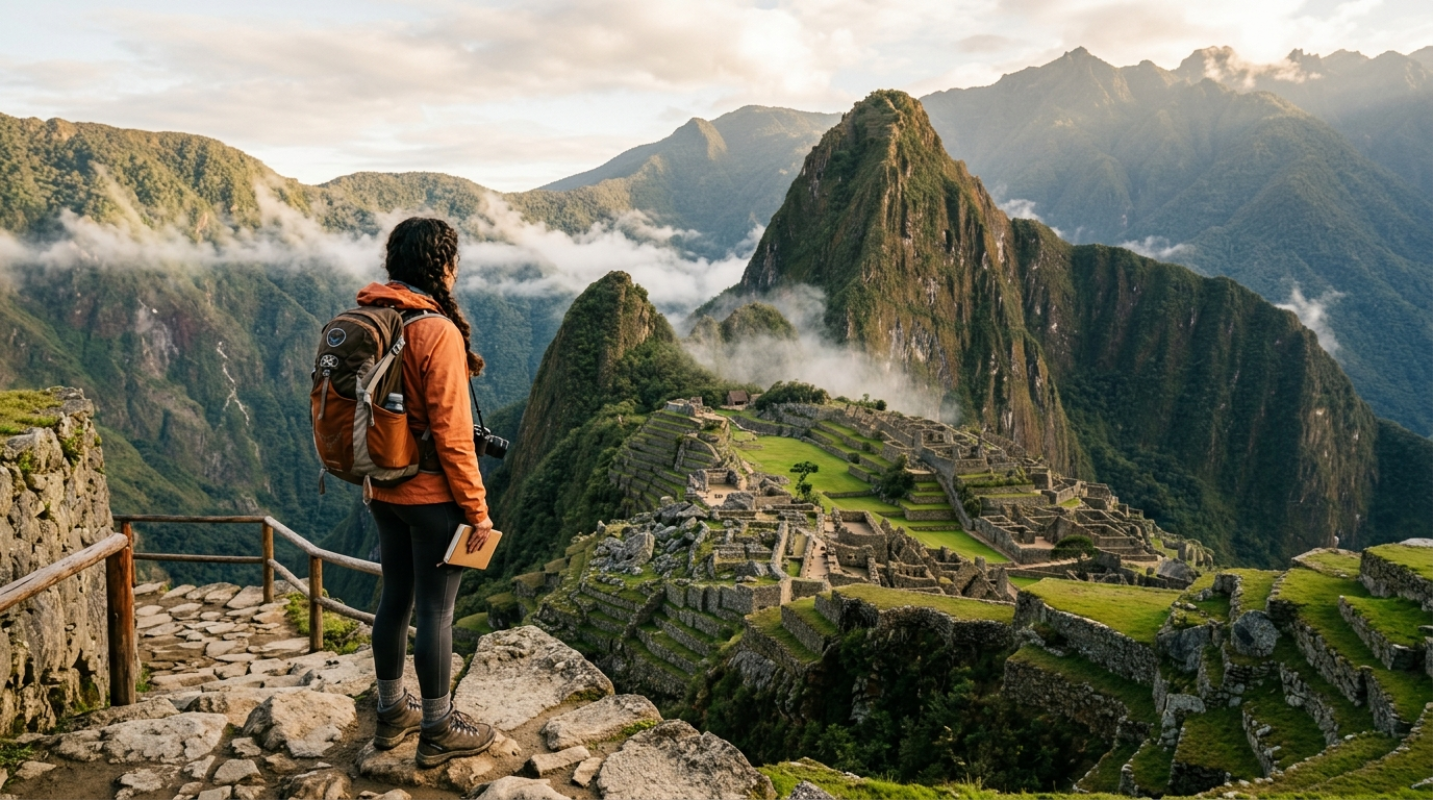
If you haven't stood at the edge of Machu Picchu as the morning mist clears, put it at the top of your list. But here's the thing: the ruins are only half the story. The Sacred Valley in Peru is a place where the past isn't just buried in the dirt. It's alive in the way the local Quechua communities farm the land and honor the mountains.
For the people living in the Andes, these peaks aren't just scenery. They are "Apus," or powerful spirits that protect the inhabitants. When you visit, try to spend time in the smaller villages like Ollantaytambo or Pisac. You'll see that the spiritual connection to the earth is just as strong today as it was when the stones of Machu Picchu were first laid.
To make sure these sites stay pristine for the next generation, sustainable visitation is a must. You should consider traveling during the shoulder seasons (April to June or September to October). This helps reduce the physical pressure on the trails and make sures your money supports local guides rather than just massive tour corporations.
- Respect the altitude: Take at least two days to acclimate in Cusco before heading higher. Your body will thank you.
- Support local creators: Buy textiles directly from the weavers in the valley. It's the best way to make sure the traditional techniques survive.
- Pack out your waste: The trail systems are fragile. Being a responsible guest means leaving no trace of your visit.
Marine Wonders and Indigenous Heritage in Oceania
The Great Barrier Reef is often called a "last chance" wonder, but that's a bit of a heavy way to look at it. Instead, think of it as a place where you can witness one of the most complex ecosystems on the planet while learning from its oldest custodians. The Aboriginal and Torres Strait Islander people have cared for these waters for tens of thousands of years.
When you go, don't just hop on a big glass-bottom boat. Look for tours led by Indigenous rangers. They'll show you the reef through a lens of storytelling and traditional knowledge. You'll learn how the tide patterns and the behavior of sea birds are all connected to the health of the coral.
Conservation-led tourism is the name of the game here. By choosing operators that participate in "citizen science," you can actually help monitor the reef's health while you snorkel. It's a way to give back to a place that gives so much to the world. Scientists warn that we could lose a massive portion of coral by 2050, so your participation in reef monitoring is more than just a hobby. It's key.
The Northern Lights and Arctic Culture
Have you ever seen the sky turn neon green and purple? If not, you've missed one of nature's most psychedelic shows. We're currently coming off a "Solar Maximum," which means the Aurora Borealis has been more frequent and active than it's been in over a decade. Although the peak was in late 2024 and 2025, the displays in 2026 remain absolutely stunning.
Heading to Finnish Lapland or Northern Norway isn't just about freezing your toes off while waiting for the lights. It's about the Arctic wilderness and the Sami people. The Sami are the only recognized Indigenous people in the European Union, and their culture is deeply tied to reindeer herding and the seasonal cycles of the north.
Engaging with Sami culture gives you a totally different perspective on the cold. To them, the tundra isn't a "wasteland." It's a provider. Spending an evening in a "lavvu" (a traditional tent) listening to "joik" (traditional songs) under the flickering lights of the Aurora is a psychological reset. It reminds you how small we are in the face of such vast, natural power.
Spiritual Journeys in Japan and Bhutan
Japan is currently seeing a massive tourism surge, especially after the 2025 World Expo in Osaka. But if you want to escape the neon lights and the crowds, head to the Setouchi region or the temple districts of Kyoto. If you time it for the cherry blossom season, you'll see a culture that finds deep beauty in things that don't last.
Then there's Bhutan. This is a place that literally measures its success by "Gross National Happiness" rather than just money. They've recently kept their Sustainable Development Fee at a more accessible level to encourage people to stay longer. It's the perfect excuse to hike the Trans Bhutan Trail.
The trail is a 250-mile ancient pilgrimage route that takes you through dozens of local villages and monasteries. It's not a race. It's a walk through time. When you enter a Bhutanese temple or a Japanese shrine, remember to approach with awareness. These aren't just tourist attractions. They're active places of worship.
If you're looking to turn these dreams into a reality, here are a few ways to get started.
- The Grand Egyptian Museum: Located in Giza, this is the largest archaeological museum in the world. It houses the complete Tutankhamun collection for the first time.
- Torres del Paine National Park: Head to Patagonia for puma tracking. Conservation efforts have made sightings of these elusive cats more common than ever.
- Lady Elliot Island: An eco-resort on the Great Barrier Reef that is 100% solar-powered. It's the gold standard for sustainable marine tourism.
- The Shimanami Kaido: A spectacular cycling route across the islands of Japan’s Inland Sea, perfect for those who want to see the country at a slower pace.
Planning Your Legacy Trip
So what does this actually mean for your 2026 plans? It means it's time to stop scrolling and start deciding what you actually value. Is it the silence of a Himalayan monastery? The adrenaline of seeing a puma in the wild? Or the awe of the Northern Lights?
The key to a successful "legacy trip" is slow travel. Don't try to see five countries in ten days. Pick one region and stay there. Get to know the local baker. Learn three phrases in the local language. When you stay in one place longer, you stop being a spectator and start being a guest.
Start your planning now. Whether it's the high-tech wonder of Japan or the ancient trails of Bhutan, the world is waiting to show you something spectacular. You just have to be willing to look past the surface.